


-

Add: HeBei ShengShi HongBang Cellulose Technology CO.,LTD.
-

Email
13180486930@163.com -

CONTACT US
+86 13180486930

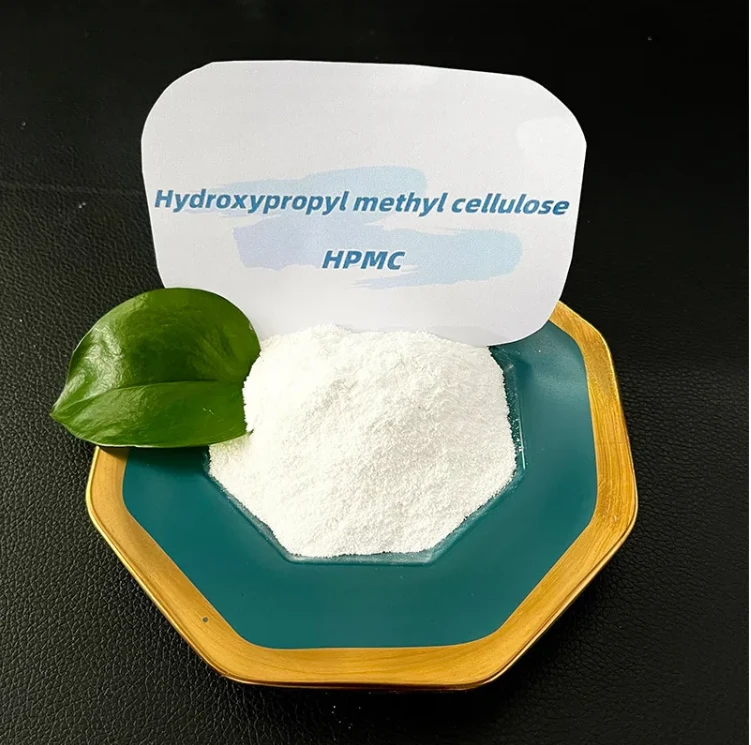


High Performance Computing (HPC) and Hydroxypropyl Methylcellulose (HPMC) might seem like disparate terms, but they represent pivotal influences in their respective domains—technology and material science. As the digital era sweeps across industries, understanding the roles these elements play in shaping technological advancements becomes indispensable. HPC is a cornerstone in computational processes, enabling large-scale simulations, complex calculations, and efficient data processing. Its significance is particularly pronounced in areas like climate modeling, physics simulations, and drug discovery where traditional computing methodologies fall short. HPC systems enhance computational capabilities by linking computer clusters to function as a single entity, thereby optimizing processing power and speed. Businesses and institutions harness this capacity to solve problems that were previously insurmountable, significantly reducing the time required for research and development. Conversely, HPMC stands as a key player in the pharmaceutical and construction industries. As a semi-synthetic polymer, it exhibits excellent properties that make it an indispensable additive. In pharmaceuticals, HPMC serves as a controlled-release agent, ensuring the active ingredient in a drug is distributed at an appropriate pace in the body, enhancing the drug's effectiveness and patient safety. In construction, HPMC is valued for its water retention and cement dispersion properties, crucial for improving the workability of cement and plaster, leading to prolonged setting times and enhanced durability of structures. Bridging HPC and HPMC is their shared goal of fostering innovation and efficiency. Companies integrating HPC into their processes can speedily analyze vast data sets to identify patterns and make informed decisions, perhaps even in the tailoring of drug formulations utilizing HPMC. Such synergy allows for an unprecedented level of product refinement and predictive modeling, elevating the standards of quality and safety. Furthermore, the intersection of HPC and HPMC is visible in material science, where simulations powered by HPC can predict how HPMC and other polymers interact at a molecular level. Such insights are crucial for the development of new materials with customized properties, thereby expanding the potential applications of HPMC in various industries. hpc hpmc In practical applications , HPC has dramatically altered how industries approach data. For example, in genomics, HPC provides the computational capacity to conduct comprehensive genome analyses, a task unmanageable without such technology. These analyses can propel forward research in genetic disorders, fostering early detection and personalized medicine. Similarly, in the realm of energy, HPC aids in optimizing the exploration and production of energy resources, enhancing both efficiency and sustainability. On the HPMC front, its versatility extends into the food industry, where it acts as a stabilizer, thickener, and emulsifier. The non-toxic and non-allergenic nature of HPMC makes it an attractive option in developing food products that meet stringent safety standards while retaining taste and texture. In the realm of personal care products, it is used to enhance the consistency and shelf life of goods such as lotions and creams. Given this context, businesses looking to leverage these innovations need to astutely integrate HPC into their strategic planning and utilize HPMC in product development to stay competitive. Organizations should invest in training and development of their workforce to gain expertise in these technologies, ensuring they remain at the forefront of their industries. Trust in these technologies comes from demonstrated success and scientific validation. For companies involved with HPC, regularly publishing peer-reviewed research and case studies can help bolster trustworthiness and transparency in their methodologies. Simultaneously, firms utilizing HPMC in products must comply with regulatory standards and publish their compliance and safety certifications to establish credibility and consumer trust. In conclusion, HPC and HPMC exemplify the potential inherent in technological and scientific advancement. While they operate in distinct spheres, their intersection presents endless opportunities for innovation and enhancement of products and services. By harnessing their capabilities, industries can not only improve their processes and offerings but also foster an environment where continuous improvement and cutting-edge solutions are the norms.
- 40000tons

Production
- 20+years

Experience
- 5000+㎡

Acreage

-
Understanding the intricacies of HPMC juice can elevate your experience with this innovative product, which is gaining significant attention for its unique properties. A relatively new entrant in the market, HPMC juice combines traditional beverage qualities with modern advancements, catering to an ever-growing population of health-conscious consumers. Hydroxypropyl methylcellulose (HPMC) is the central ingredient in this product. Known for its versatility and wide range of applications in the food industry, HPMC is a cellulose derivative acclaimed for its exceptional emulsifying, stabilizing, and thickening properties. What sets HPMC juice apart is these properties do not alter the original taste of the juice, ensuring that each sip is authentic and satisfying. Incorporating HPMC into juice production introduces several benefits . Firstly, it enhances the mouthfeel of the beverage, creating a thicker and more luscious texture that many consumers find appealing. This is particularly advantageous in reduced-sugar formulations, where mouthfeel can often suffer. HPMC helps mimic the texture and satisfying sensation of full-sugar juices without the added calories, making it an attractive option for those watching their sugar intake. Moreover, HPMC acts as a potent stabilizer, preventing the separation of ingredients within the juice. Juices made with natural ingredients often face challenges with sedimentation and ingredient separation over time, affecting texture and consistency. HPMC ensures a homogenous mixture, maintaining the visual appeal and satisfying taste experience throughout the product's shelf life. From an expertise standpoint, the role of HPMC in juice manufacturing is backed by extensive research and proven efficacy within the food sciences community. Numerous studies underscore its safety for consumption and its standing as a GRAS (Generally Recognized As Safe) ingredient by food safety authorities worldwide. As such, manufacturers can confidently integrate HPMC into their products, trusting in its performance and consumer acceptance. hpmc juice HPMC also reflects the evolving demands for clean labeling. With increasing scrutiny over product ingredients, the push towards recognizable, non-GMO, and natural ingredients is forefront in consumer purchasing decisions. HPMC fits seamlessly within these trends, appealing to an audience that values transparency and simplicity in food production. Its applications, however, are not merely functional but extend into the optimization of the juice production process. HPMC is instrumental in reducing the reliance on other synthetic additives and fillers. Consequently, this reduction aligns with both environmental considerations and the burgeoning demand for sustainable practices within the industry. By minimizing the need for extraneous elements, HPMC promotes cleaner, more efficient manufacturing cycles that both benefit the producer and resonate with eco-conscious consumers. Reflecting on trustworthiness, HPMC juice emphasizes safety and reliability. Each step—from sourcing raw cellulose to the rigorous process modifications carried out to synthesize HPMC—is executed under stringent quality assessments. This meticulous attention to quality ensures that consumers receive a product consistent in both taste and health benefits across different batches and brands. Anecdotally, many who have transitioned to HPMC juice acclaim its benefits, noting the texture and stability as standout features. This reflects not only product satisfaction but also informs potential consumers about the positive experiences associated with HPMC juice, promoting wider acceptance. Ultimately, HPMC juice represents a confluence of innovation, expertise, and consumer safety. Its unique attributes are not only anchoring a new category within the beverage industry but also setting a benchmark for what modern consumers can expect from their daily refreshments. As it continues to cement its authority in the market, HPMC juice stands as a testament to how scientific advancement can revolutionize food products, meeting diversified needs without compromising on quality or taste.
-
How to Make HPMC Gel A Step-by-Step Guide Hydroxypropyl methylcellulose (HPMC) is a versatile polymer widely used in various applications, including pharmaceuticals, cosmetics, and food products. One of the most common uses of HPMC is to create gels, which can serve as thickening agents, stabilizers, or film-forming agents. In this article, we will provide a detailed guide on how to make HPMC gel, ensuring that you have all the information you need to successfully create your own gel. Materials Needed Before getting started, it’s essential to gather all the materials you will need 1. HPMC Powder Available in various grades, choose one that fits your intended application. 2. Distilled Water Using distilled water ensures that no impurities interfere with the gel formation. 3. Heating Source A hot plate or stovetop for heating the water. 4. Beaker or Container For mixing the ingredients. 5. Stirring Tool A whisk or a magnetic stirrer for thorough mixing. 6. pH Meter or Strips Optional but useful for adjusting the pH if necessary. 7. Preservatives (Optional) If you intend to store the gel for an extended period, consider adding a preservative. Step-by-Step Instructions Step 1 Prepare the Water Start by measuring the amount of distilled water you will need. The quantity of water will depend on the desired concentration of the HPMC gel. Typically, a concentration of 1-3% HPMC is used, but you can adjust it according to your requirements. Pour the measured water into a beaker or container. Step 2 Heat the Water Gently heat the distilled water using your heating source. The temperature should be around 60-70°C (140-158°F), which helps dissolve the HPMC more effectively. Do not bring the water to a boil, as excessive heat might degrade the polymer. Step 3 Mix HPMC with Water how to make hpmc gel Slowly add the HPMC powder to the heated water while continuously stirring. It’s crucial to sprinkle the HPMC powder evenly to prevent clumping. Use a whisk or a magnetic stirrer to create a homogeneous mixture. Continue stirring until the powder is fully dissolved, and the mixture becomes viscous. Step 4 Allow to Cool and Thicken Once the HPMC is fully dissolved, remove the beaker from the heat source and allow the solution to cool. As it cools, the gel will thicken further. This process may take some time, so be patient. You can stir occasionally to ensure even thickening. Step 5 Adjust pH (Optional) If necessary, check the pH of the gel using a pH meter or strips. HPMC gels typically perform best at a neutral pH (around 7). If you find that the pH is too high or low, you can adjust it by adding small amounts of citric acid (to lower pH) or sodium hydroxide (to raise pH). Stir well after each adjustment. Step 6 Add Preservatives (If Needed) If you plan to store the HPMC gel for an extended period, consider adding a preservative to prevent microbial growth. Follow the manufacturer's instructions regarding the appropriate type and quantity of preservative to use. Step 7 Store the Gel Properly Transfer the HPMC gel into an airtight container. Store it in a cool, dry place away from direct sunlight. If stored correctly, HPMC gel can last for several months. Conclusion Creating HPMC gel at home is a straightforward process that involves heating water, dissolving the HPMC powder, and allowing it to cool and thicken. With just a few ingredients and some patience, you can produce a high-quality gel suitable for various applications. Whether you are a hobbyist or a professional, understanding how to make HPMC gel can be a useful skill in your toolkit. Enjoy experimenting with your gel, and don’t hesitate to adjust the formulation to meet your specific needs!
advantages
-

200000 Viscosities
Excellent product
We can produce pure products up to 200,000 viscosities
-

40000 tons
High yield
We don’t stop production all year round, and the annual output can reach 40,000 tons
-

24 hours
Quality service
We provide 24-hours online reception service, welcome to consult at any time
———— Inquiry Form
Schedule A services

- polypropylene_fiber_market
Oct . 25, 2025
When we think of modified starch , it’s often associated with food and textiles, but its application -
 serat_xilem
Oct . 25, 2025
Hydroxypropyl methylcellulose 2208 , a highly versatile compound, stands at the forefront of numerou -
 concrete_polypropylene_fibers
Oct . 25, 2025
L’idrossipropilmetilcellulosa (HPMC) è un composto polimerico che trova un ampio utilizzo in diversi


